


The Global EdTech Alliance of Alliances
A member-led, non-profit global coordination platform bringing together national, regional, and supranational EdTech associations and alliances from around the world. The GEAoA is incubated as part of UNESCO’s Global Education Coalition, and is designed to function as an independent legal and organisational entity, governed by and accountable to its members.
Today, the Alliance brings together 30 founding member organisations representing more than 50 countries across seven global regions. Together, members are building a stronger, more connected global EdTech ecosystem through collaboration, knowledge sharing and collective action.

Our Purpose
-

To strengthen global coordination and knowledge exchange across EdTech ecosystems
-
To provide a structured space for joint positioning, dialogue, and collaboration
-

To amplify the collective voice of EdTech alliances in global education and policy processes
-

To provide local policy counterparts to high-level discussions

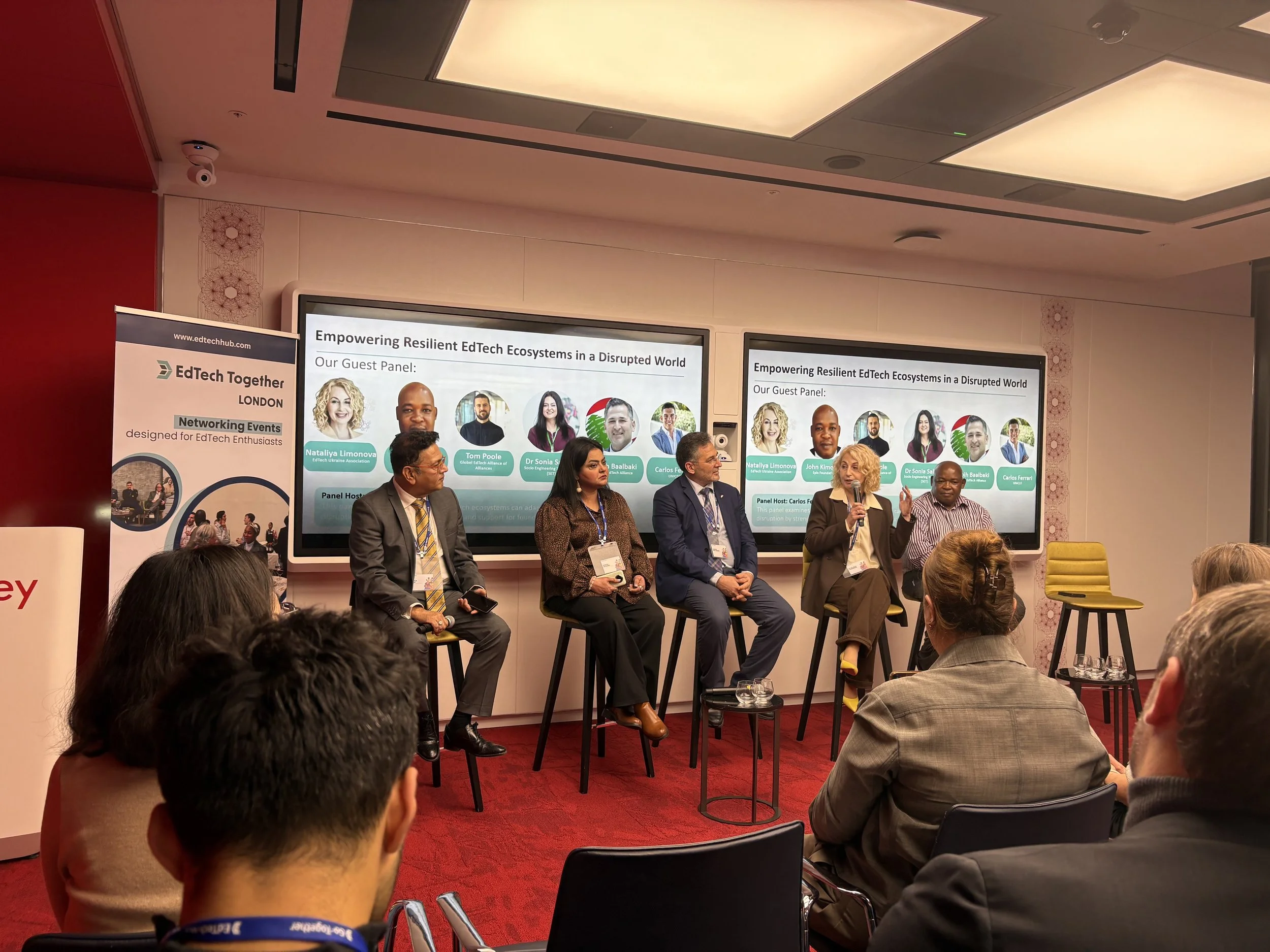
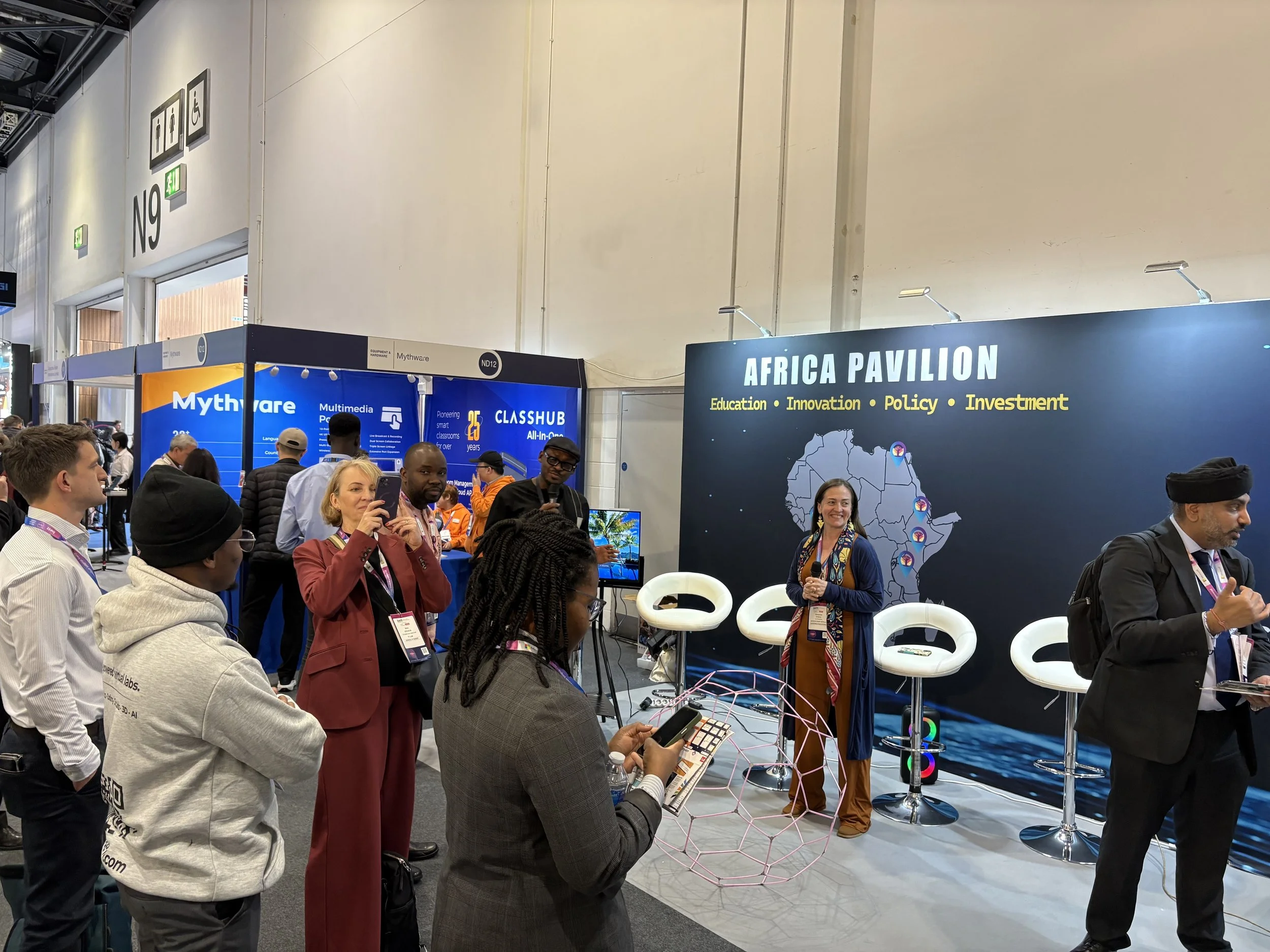
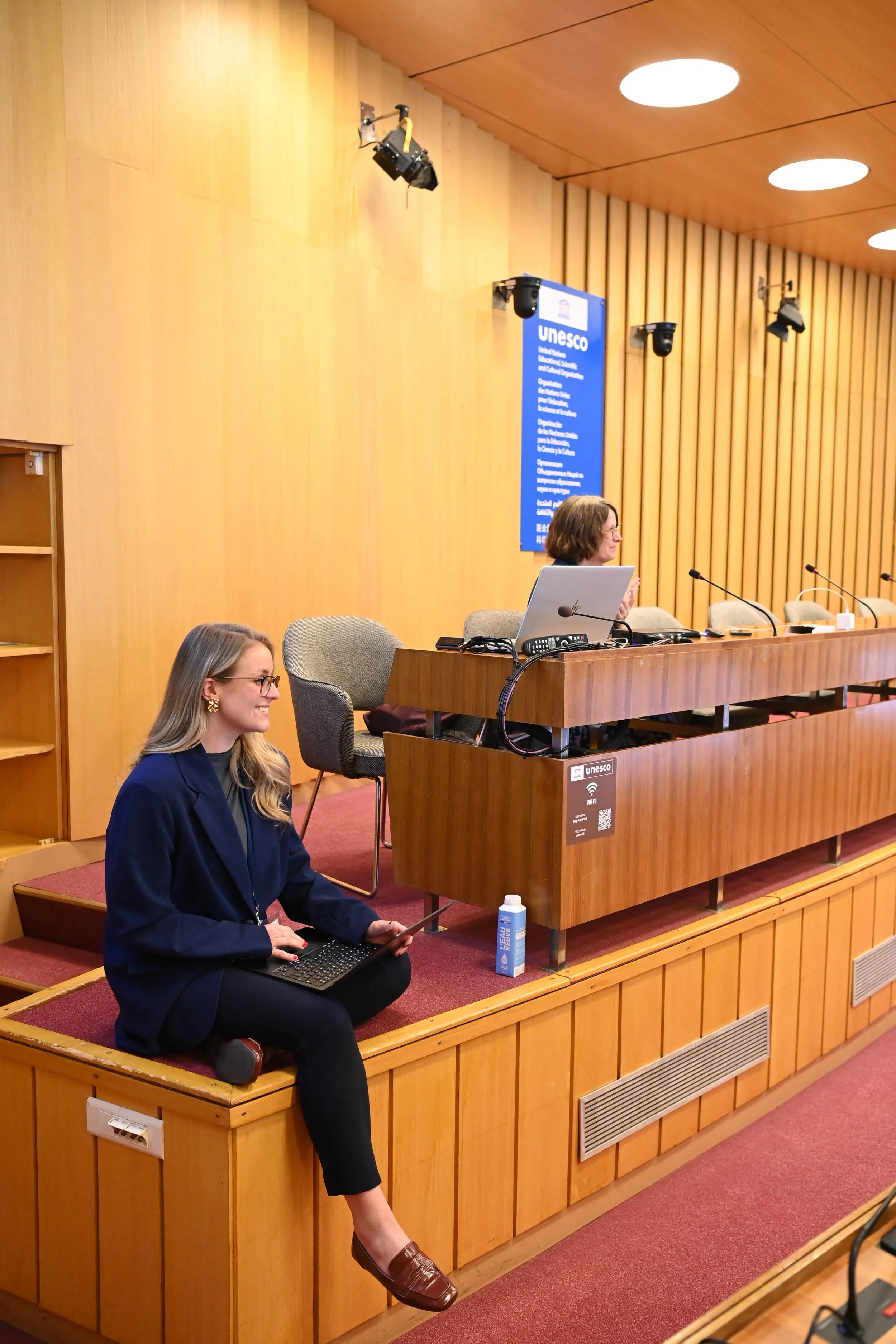

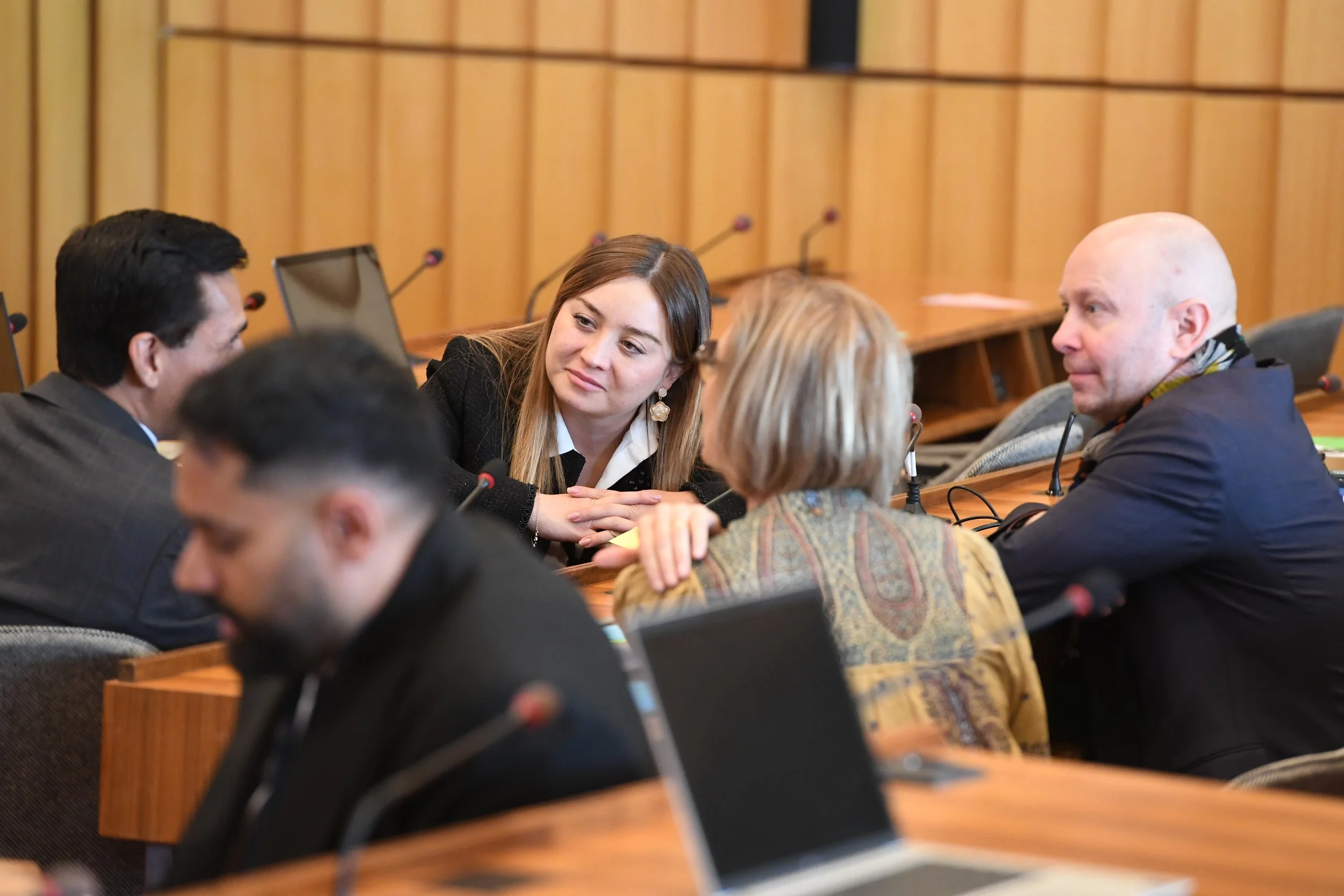
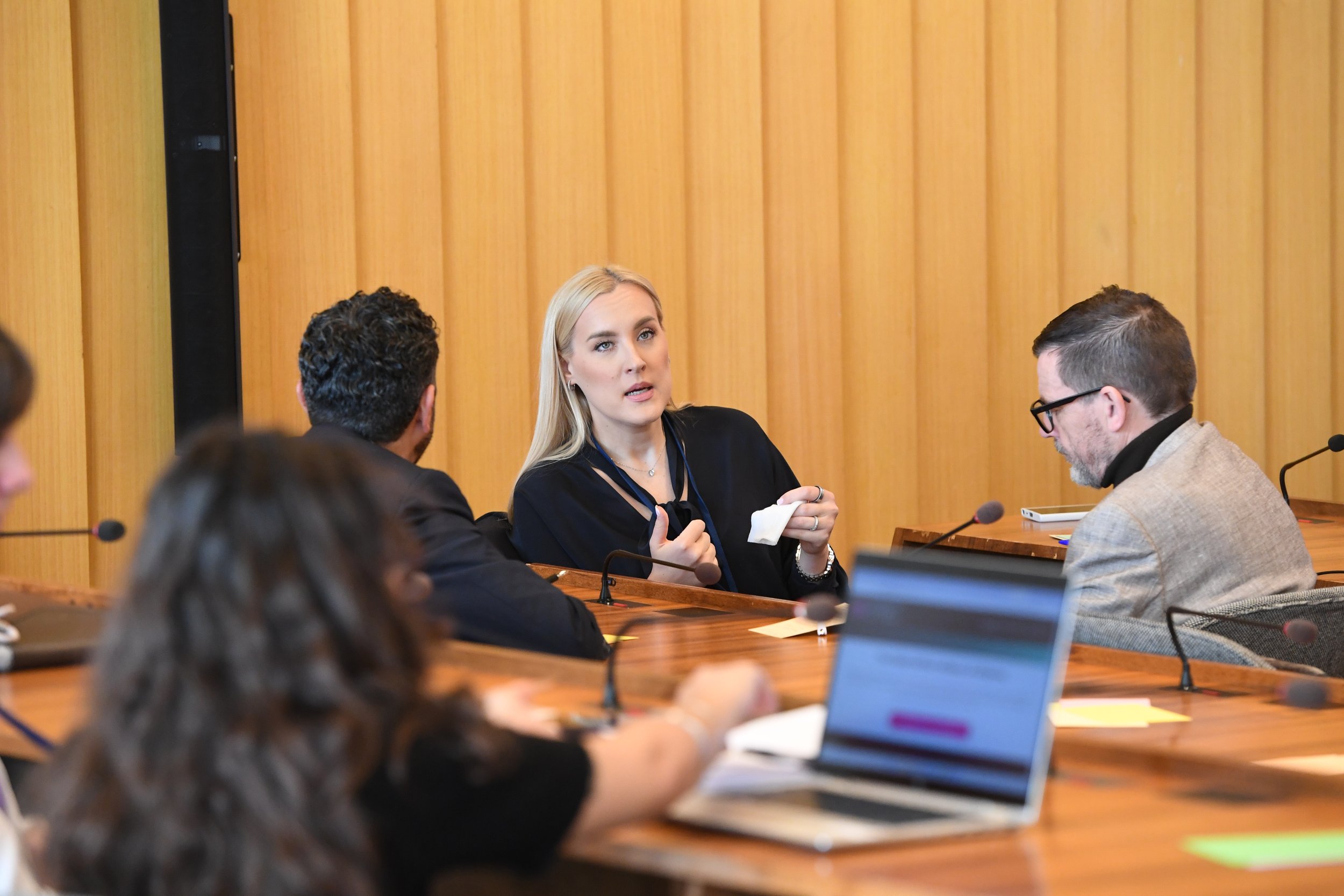




A catalytic bridge between regional alliances and global actors in EdTech and digital learning - co-creating shared standards, scalable frameworks, and policy influence.
What We’re Working On
As a newly established global Alliance, we're focused on building the structures, governance and member services that will enable the Alliance to thrive long into the future.
Our current priorities include:
Defining a strong Member Value Proposition
Establishing member-led working groups
Strengthening collaboration between global EdTech ecosystems
Designing the governance, systems and processes that will support the Alliance as it grows
Developing sustainable infrastructure to deliver long-term value for members
Creating new opportunities for knowledge sharing and collaboration across regions
In Partnership with UNESCO
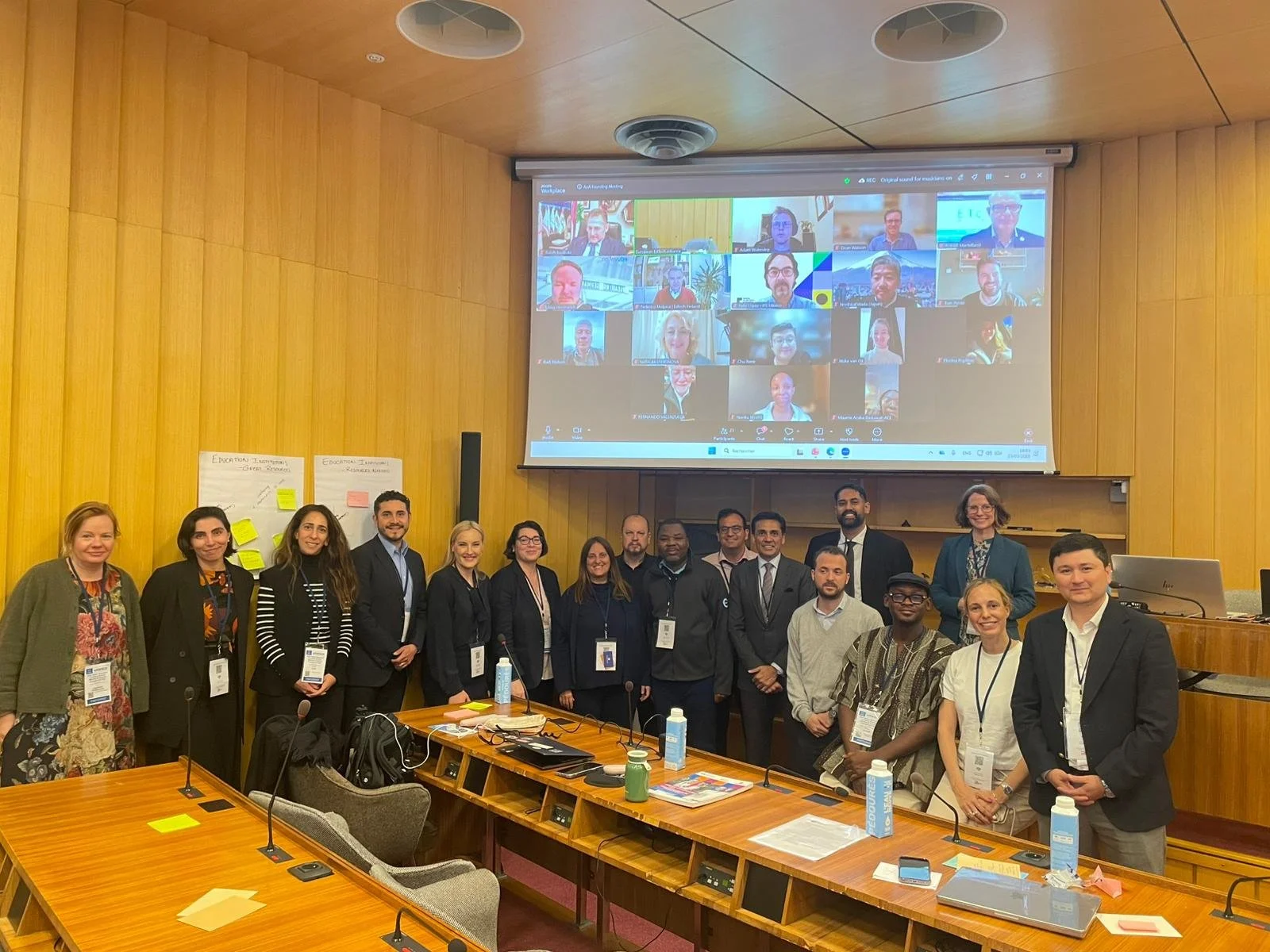
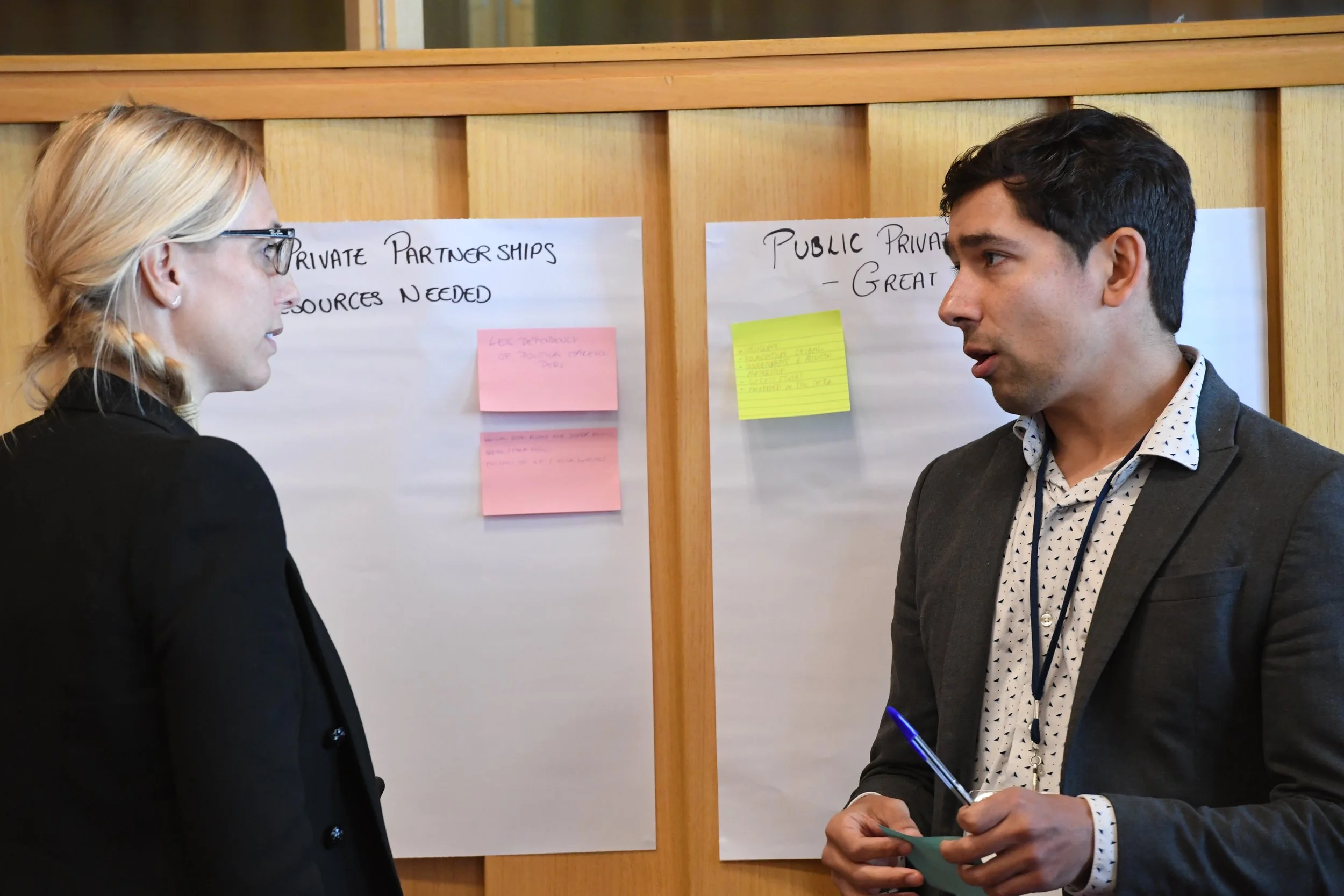
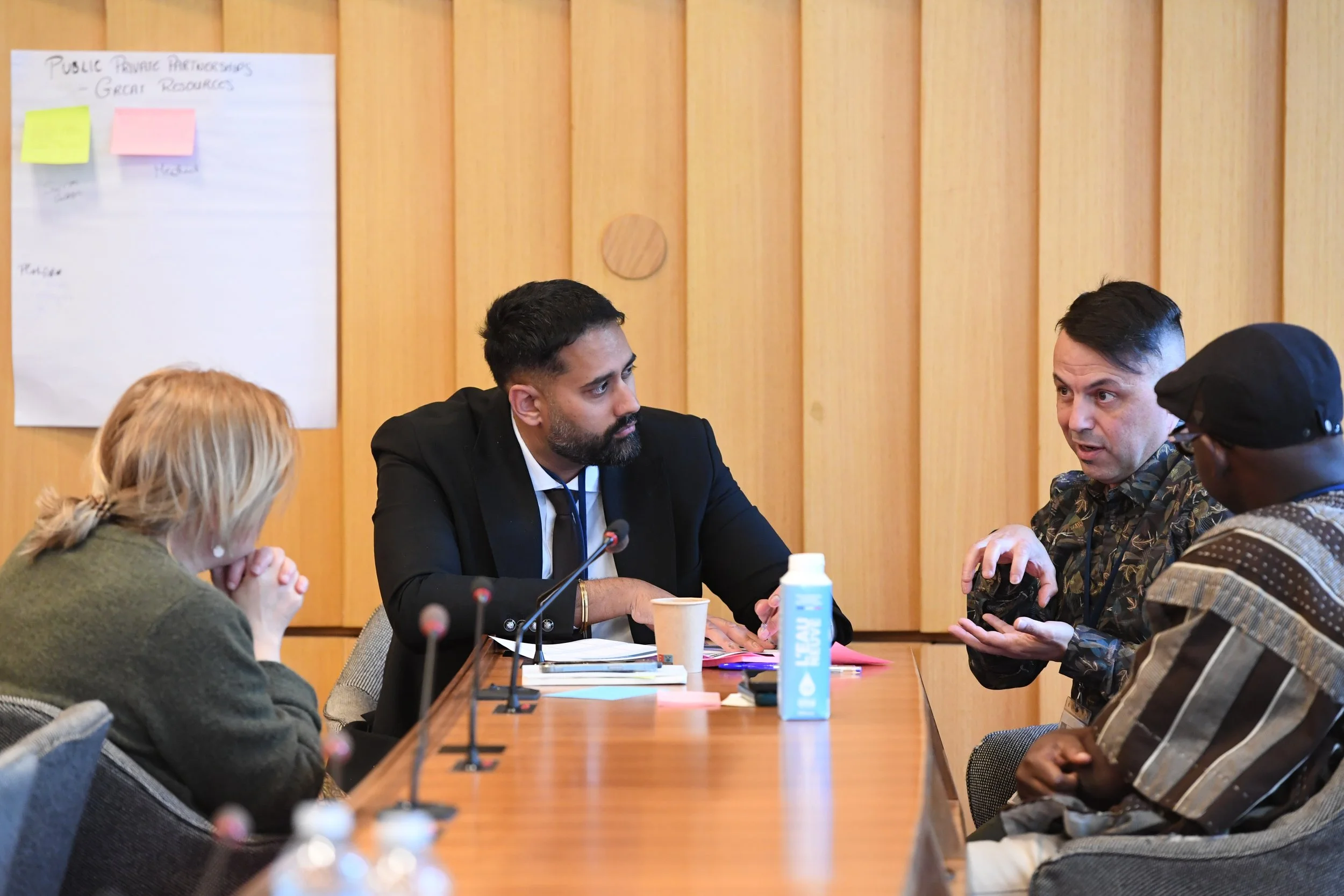
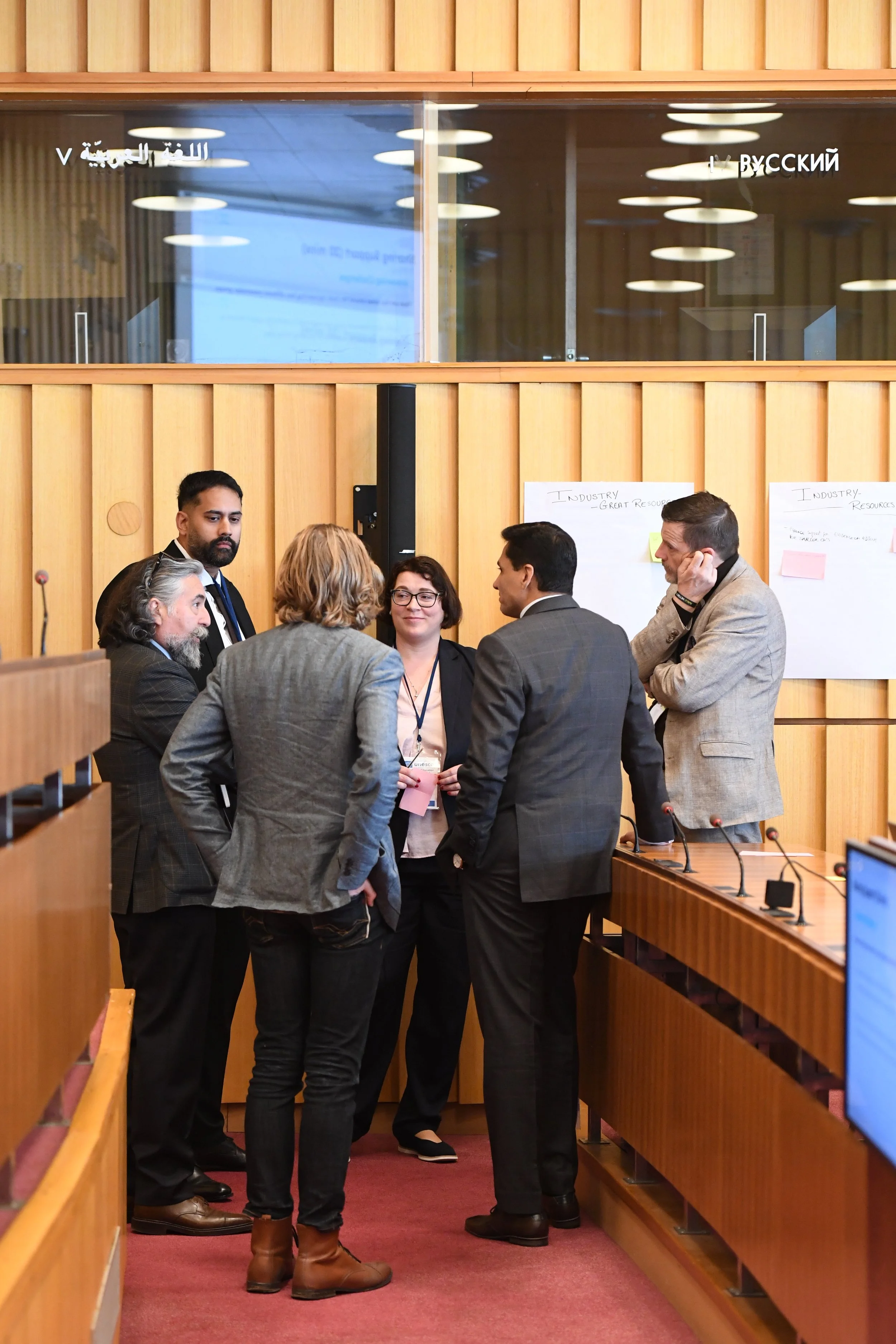
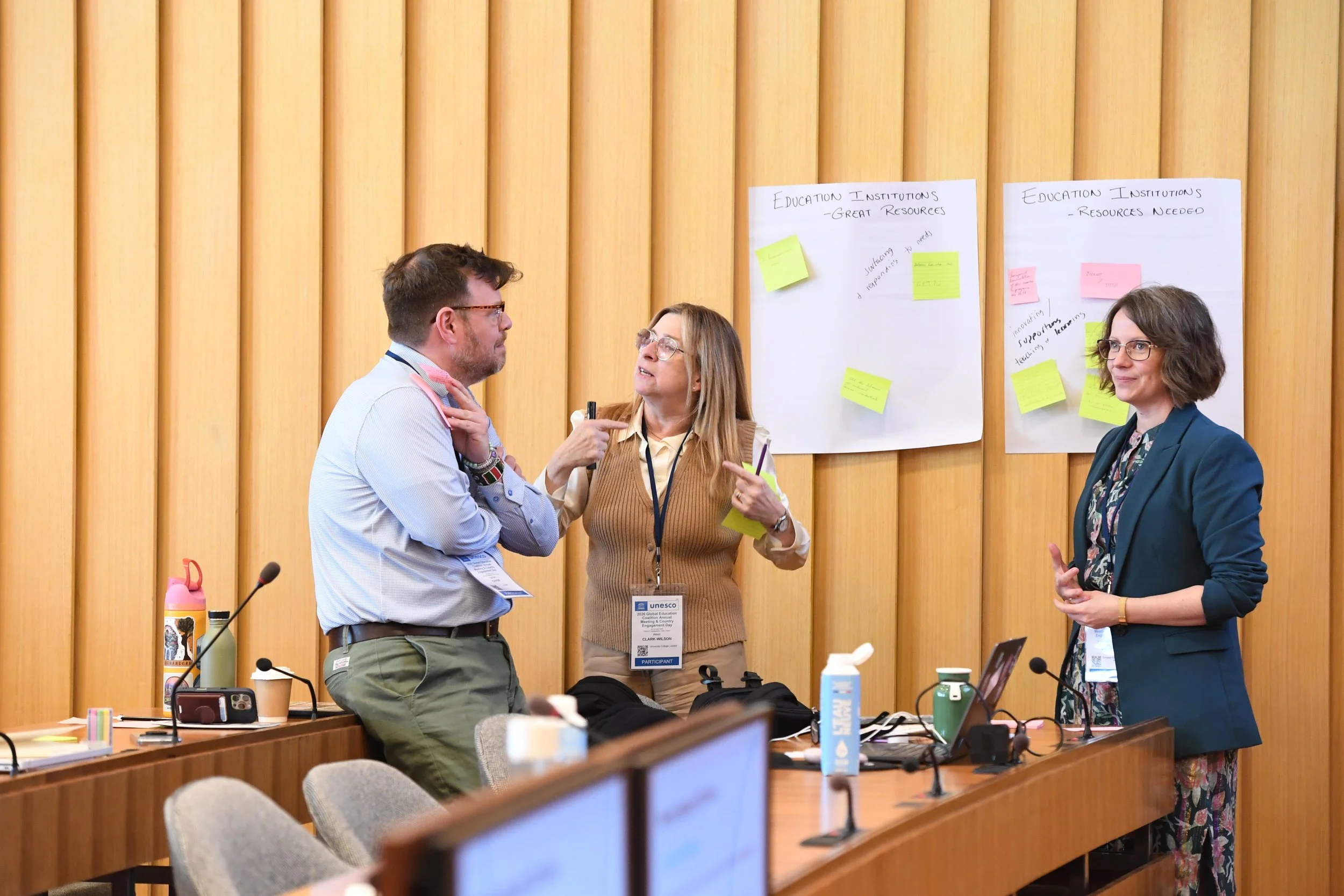
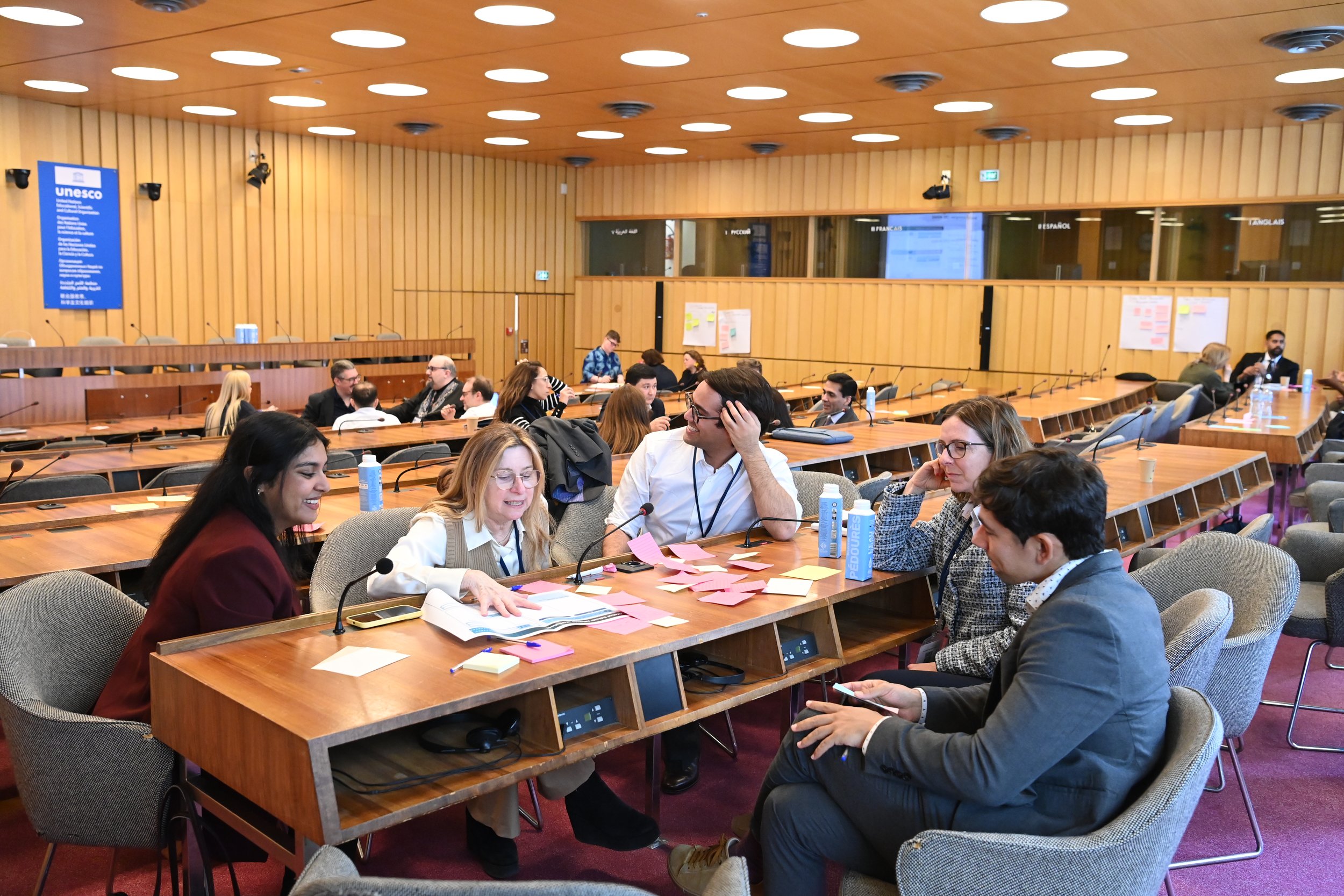
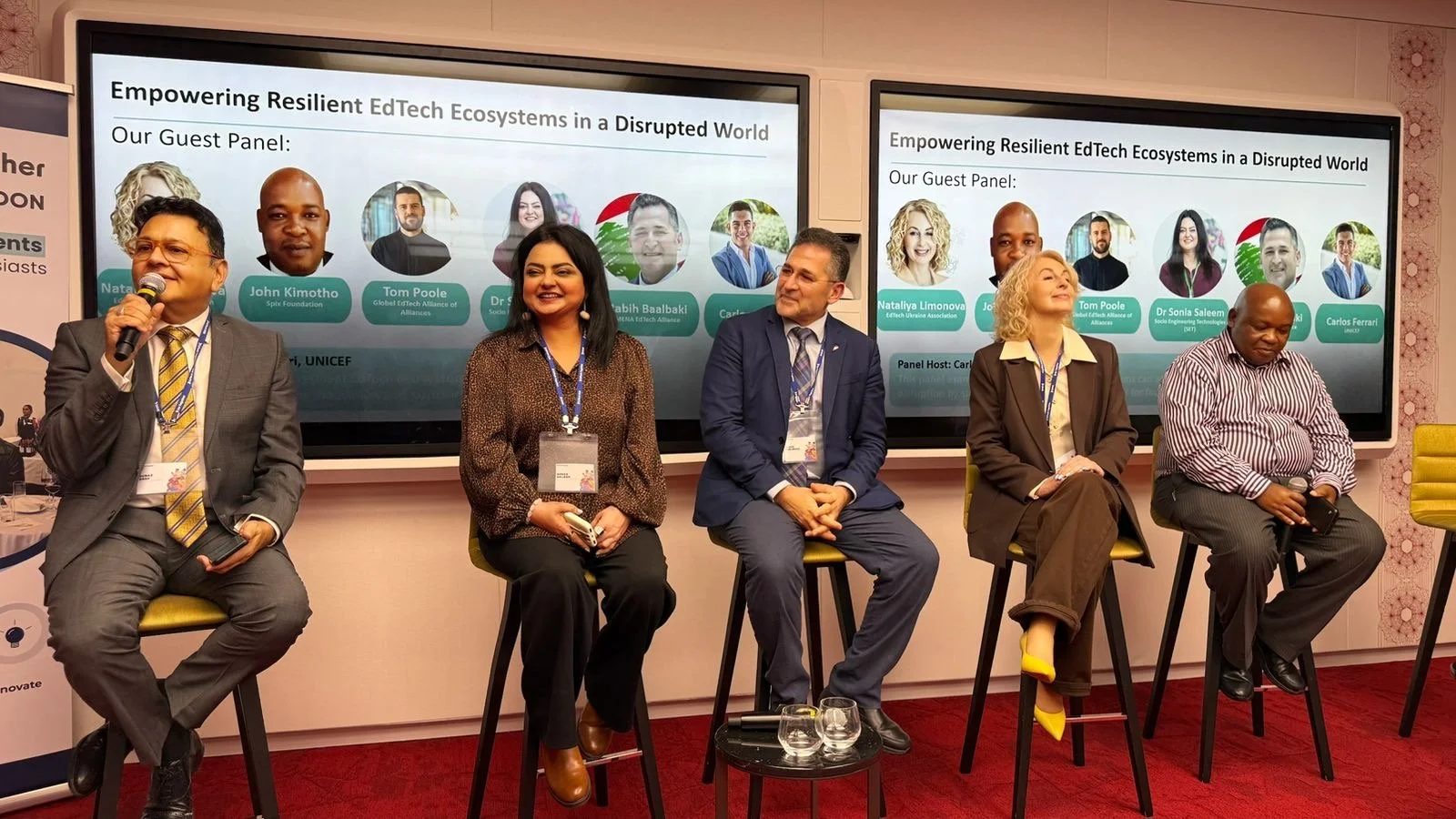
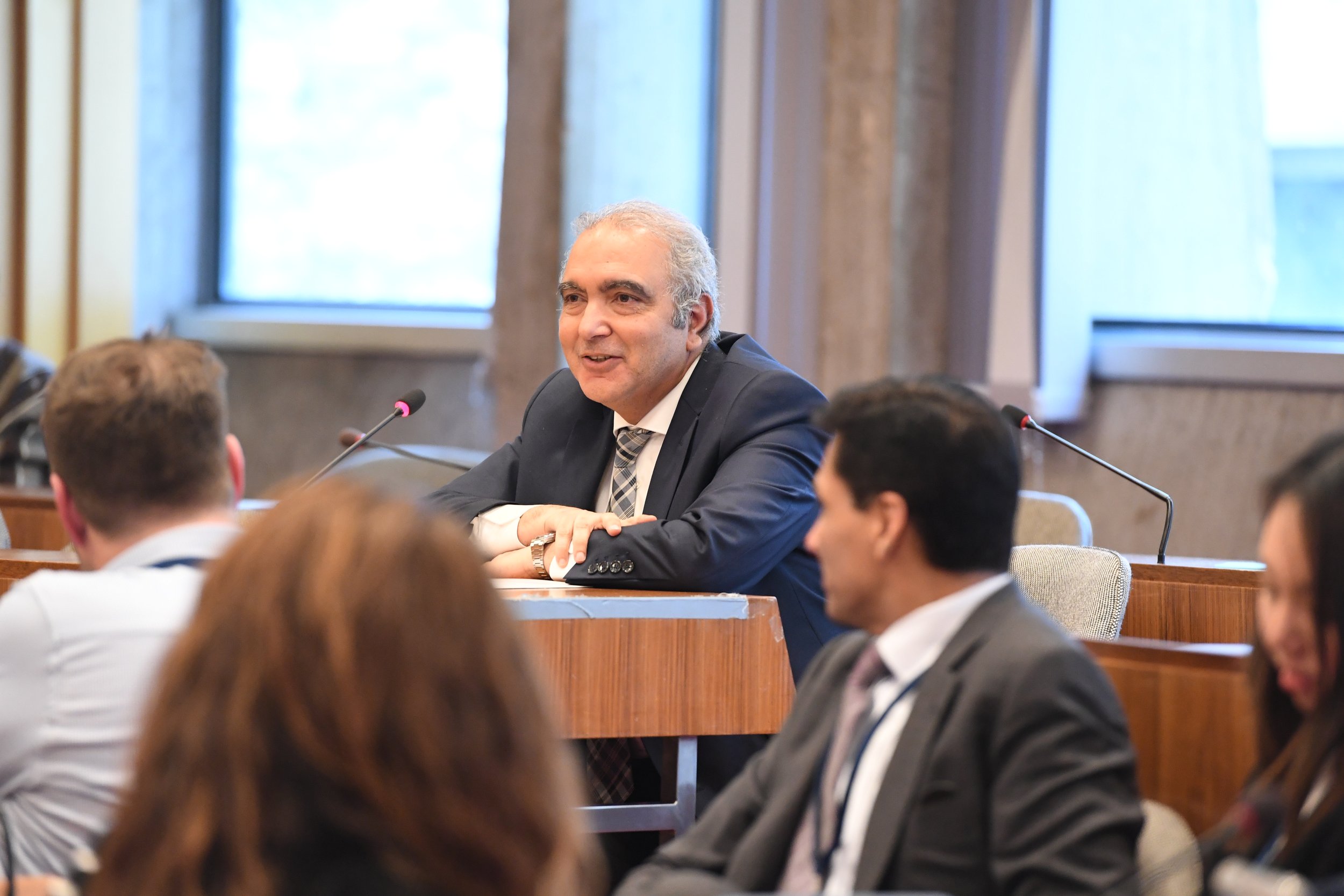
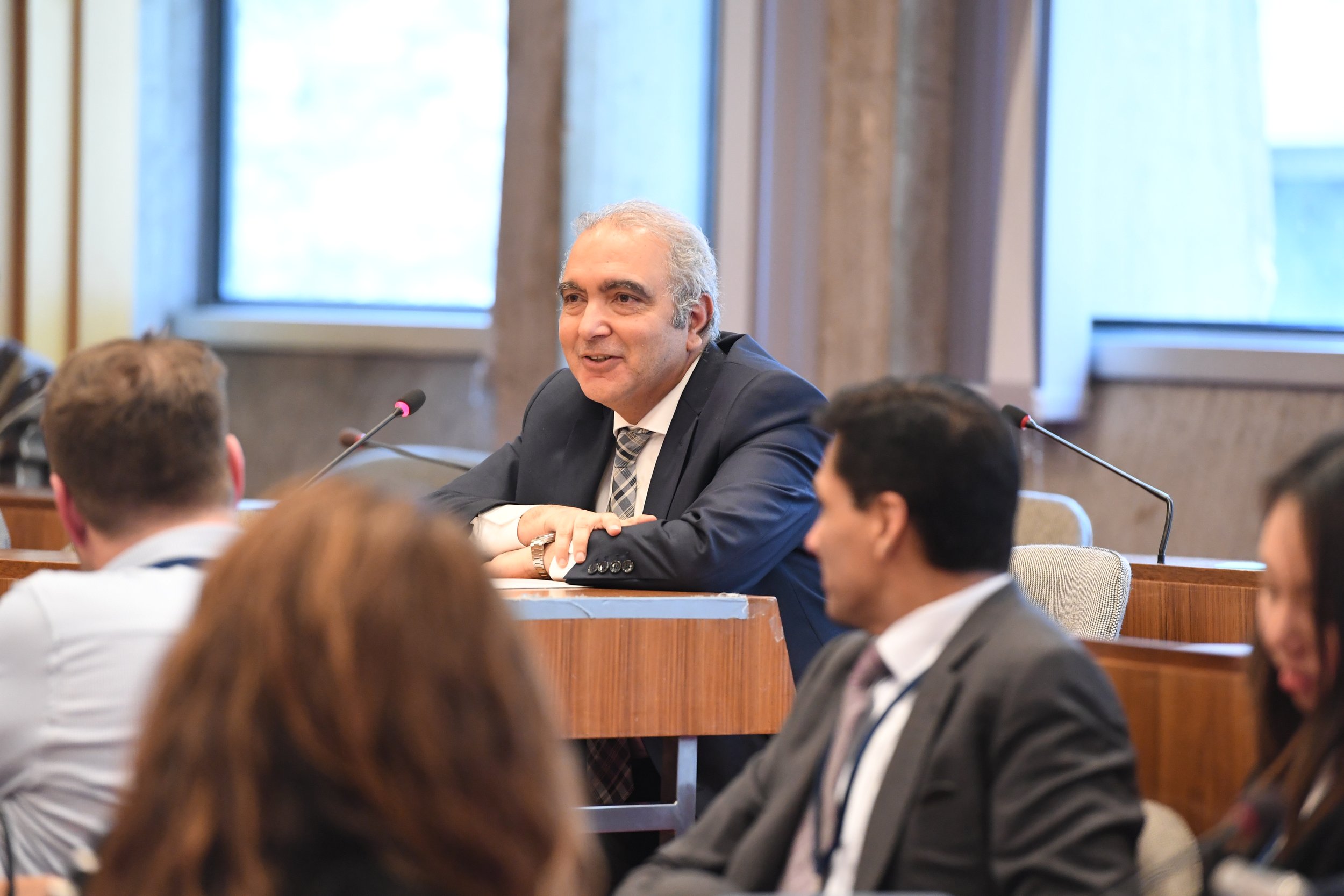
The Global EdTech Alliance of Alliances was incubated through UNESCO's Global Education Coalition to strengthen collaboration between EdTech ecosystems worldwide. On 23 March 2026, representatives from leading EdTech alliances and ecosystem organisations gathered at UNESCO Headquarters in Paris for the Alliance's Founding Convening Meeting, where members formally adopted the Charter and established the foundations for a member-led global network.
"The Global EdTech Alliance of Alliances offers EdTech communities around the world a forum to meet and the global EdTech community the ability to speak with one voice. The Alliance acts as a community of practice for alliance building, helping countries develop the conditions required to support thriving digital ecosystems."
Borhene Chakroun, Director of Policies and Lifelong Learning Systems at UNESCO
Meet Our Members
Our Founding Members represent over 50 countries from all 7 global regions.
Meet the Board
-

Alicia Berlanga
Co-Chair
EduTech Cluster, Spain
-

Fernando Valenzuela Migoya
Co-Chair
EdTech Latam Alliance
-

Florina Popirtac
Treasurer
EdTech Romania
-

Dean Watson
EdTech New Zealand
-

Yuliana Topazly
DOHE EdTech Hub
-
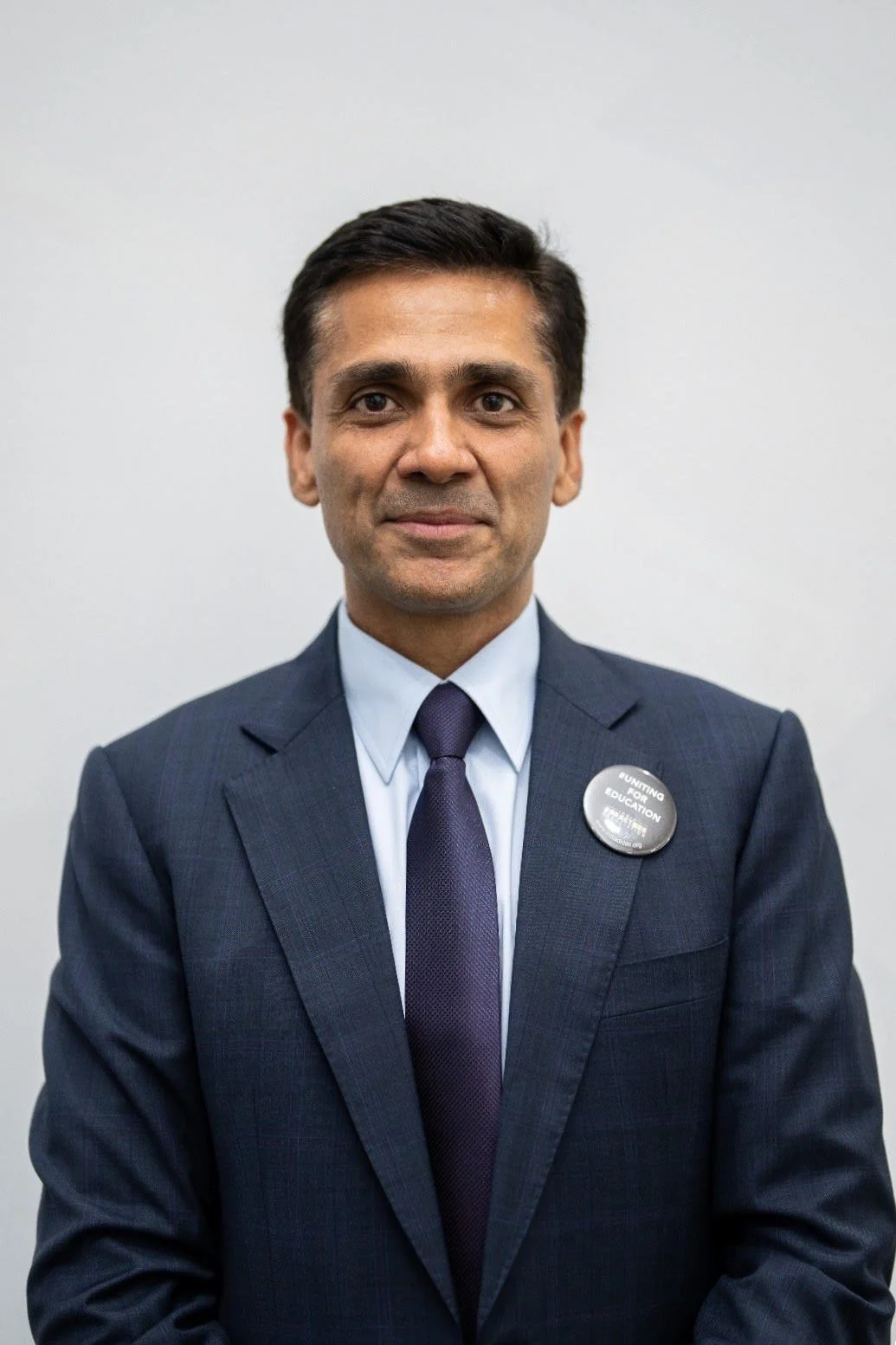
Aditya Gupta
India Didactics Association
-

Ernest Gavor
Africa EdTech Exchange
-

Robert Martellacci
EdTech Canada

Stay Connected
Whether you're part of an EdTech ecosystem or simply interested in the future of global EdTech collaboration, everyone is welcome to join our mailing list.
Subscribe to receive:
Alliance news and updates
Member stories and ecosystem spotlights
Opportunities from across our global network
Event invitations
Publications, resources and insights

Who Can Be a Member?
Membership is open to:
National EdTech associations
Regional or continental EdTech alliances
Supranational EdTech coordination bodies
Membership is organisational (not individual) and is based on a clear mandate to represent an EdTech ecosystem, alignment with principles of collaboration, transparency, and public interest, willingness to engage constructively in a global, member-led alliance.

Get Involved
If your organisation represents an EdTech ecosystem and is interested in contributing to a member-led global alliance, we welcome your engagement.

Why Join the The Global EdTech Alliance of Alliances?
Members of the GEAoA benefit from:
direct peer exchange with alliance leaders globally,
coordinated engagement with global institutions and initiatives,
increased visibility and collective positioning,
opportunities for joint initiatives, statements, and projects.
Most importantly, members help shape how EdTech ecosystems collaborate globally, rather than being represented by others.


The Role of the European EdTech Alliance (EEA)
The European EdTech Alliance (EEA) currently plays a time-limited enabling role in supporting the establishment of the Global EdTech Alliance of Alliances.
Why the EEA Is Involved
The EEA is supporting the founding phase because it already has established organisational infrastructure, operational capacity, and appropriate funding and compliance mechanisms to provide required support.
This enables the GEAoA to convene globally, coordinate preparatory work efficiently, and focus on member-driven design rather than administrative overhead.
Nature and Limits of the EEA’s Role
The EEA acts as an interim organisational host and secretariat.
It provides support services only, implementing decisions made by AoA members.
This role is explicitly temporary and will end once the AoA can operate independently.
The EEA will become a regular member of the The Global EdTech Alliance of Alliances. It holds no special privileges, voting rights, or permanent leadership role. It is subject to the same rules and obligations as all other members. This separation is intentional and central to the credibility and legitimacy of the global alliance.